Showing posts with label Birds. Show all posts

Tuesday, June 21, 2022

Terns of Puckaway

Terns, gull-like birds, patrol Lake Puckaway, gliding gracefully above the water, watching for fish below. If you haven't stopped to watch their aerobatics while on the lake, you should.  Wisconsin is home to four species of tern: Forster's Terns, Common Terns, Black terns, and Caspian Terns.

Black Terns are the most different of the group. Breeding black terns are slate gray to black in color; while the other species play on a white and black theme. Caspian terns are the next easiest to pick out of the group, simply based on size. They are much larger than the other terns. The other terns are larger than swallows but smaller than most gulls, while the Caspian Tern is a good-sized bird sporting a wingspan over 4 feet.

The Common Tern and Forster's Tern are most similar in color and size. I find them tricky to distinguish. Tips I've picked up while birding that seem to help include: 1) Look for the primary feathers on the edge of wings when resting, if dark, it's more likely a Common Tern. The Common Tern's beak and feet tend to be a deeper red-orange in color, where as the Forster's Tern is a lighter orange. Forster's are also supposed to have longer legs than a Common Tern. The challenge with using most of these tips, is that they are comparisons between the two species so without them side-by-side they can be tough to distinguish. That leaves us with habitat as a characteristic. Generally Forster's Tern is more associated with freshwater marshes and shallow lakes, while the Common Tern prefers more open waters. Both species are present on Puckaway.

You can spot terns all around the lake, but hotspots include: the tern rafts near the dredge bank (of course), Haystack Point and near the Dead River on the west end, and patrolling around the milfoil mat growing in the western side of the lake. We seem the regularly enough on the North Shore that my children no longer find them exciting. 

I'm reasonably confident that I have spotted all four species of tern on Puckaway. The lake has plenty of small fish for them to catch when they dive head first into the lake with a loud plop! Floating vegetation, piers, the dredge bank, and the tern rafts give them many places to rest. And the rafts support a breeding colony of Common Terns.


Likely Forster's Tern nest on vegetation mat near the dredge bank.


The red-orange beak and feet make me lean Common Tern, the floating vegetation - Forster's. 


Black Tern fishing near Haystack Point.


Large Caspian Tern (also note the black feet) swoops between Pelicans. 
Wednesday, May 18, 2022

Migratory Bird Day Highlights - May 14 2022

Last Saturday was the spring Global Big Day and Migratory Bird Day It lines up well with peak spring migration, meaning folks out looking for birds were likely to see waterfowl, shorebirds, warblers, flycatcher and others moving through on their way to Canada or actively working on nests.

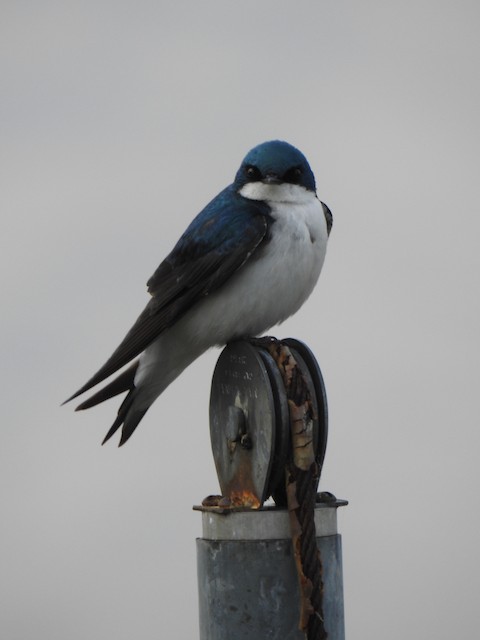
My adventures around Puckaway provided many sights and sounds of local birds and migratory birds. Right now, along the Northshore a number of cabins and homes have houes up and they are filling with Purple Martins and Tree Swallows. We have a pair of Swallows nesting in a bird house we put up, and they were the first birds I saw when stepped out at 5:30 am.


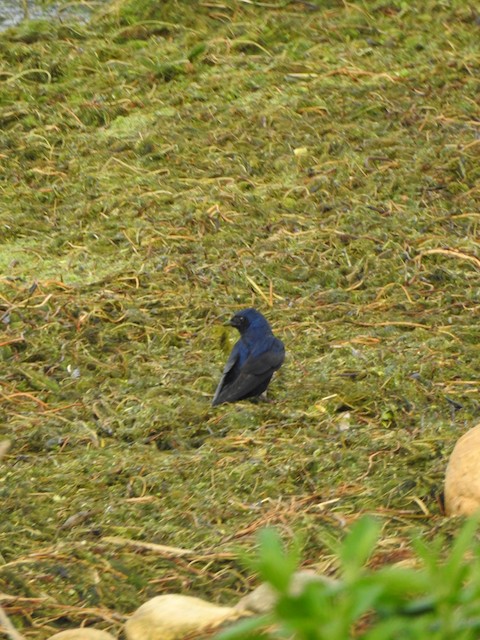
And the purple martins were picking up dislodged milfoil along the short to use as nesting materials.


Both birds are excellent insectivores, catching bugs in flight eating: flies, damselflies, bees, ants, wasps, mayflies, moths, butterflies, cicadas, and termites. Tree Swallows typically operate lower to the ground or in Puckaway's case closer to the surface of the water and the martins will catch bugs at a higher elevation. Both are handy to have around to help keep the bugs in check.

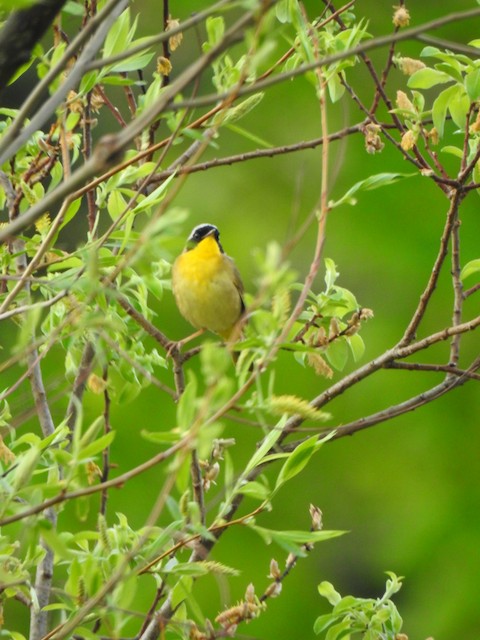
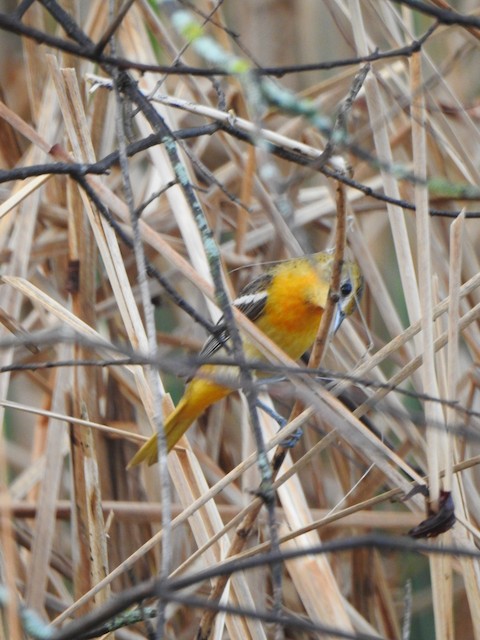
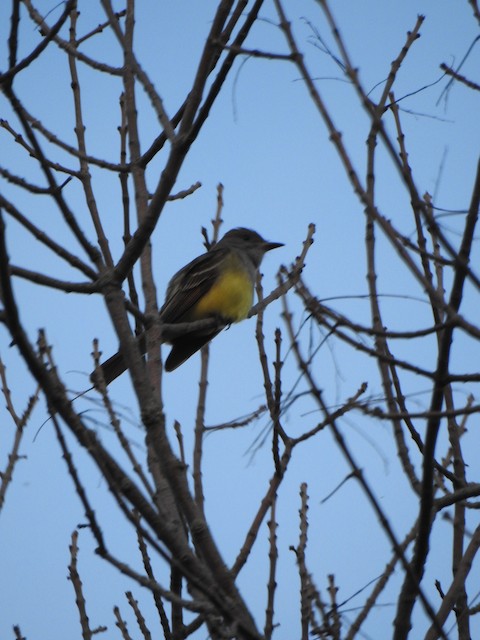
Other highlights from the day included a number of colorful friends like a Common Yellowthroat, a female Baltimore Oriole, and a Great Crested Flycatcher.


Common Yellowthroat - singing his heart out


Baltimore Oriole - gathering nesting material


Great Crest Flycatcher - perched while hawking insects

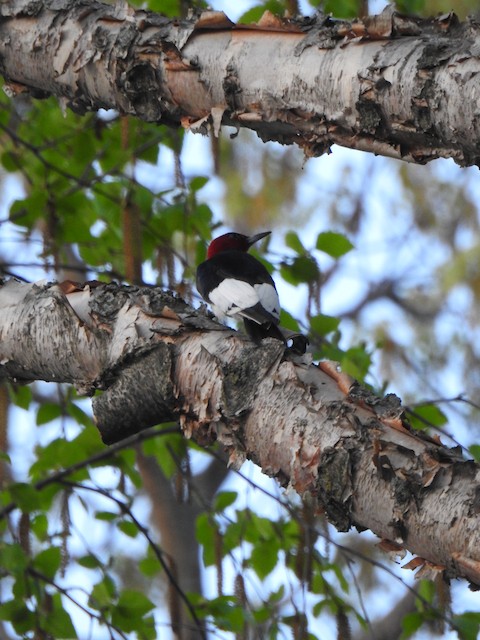
I saw lots of other great birds, many of the usual suspects: Mallards, Canada Geese, Wood Ducks, American White Pelicans, and Double Crest Cormorants. The day proved that Puckaway doesn't just suport life on or in the lake but life all around the lake. I counted 67 total species that day, 48 were found along the Northshore of the lake. The last bird I got a picture of was a Red Headed Woodpecker who came to perch in a River Birch just above our cabin.


Red Headed Woodpecker

Sunday, May 1, 2022

Warbler Migration In Full Swing

I spent last weekend working on some pier repairs before the season gets into full swing, and while at the lake, we noticed that there were a ton of little bugs. I'm not an entomologist, and they reminded me of gnats, so I'll call them gnats. There weren't too many bird around yet though to eat them.

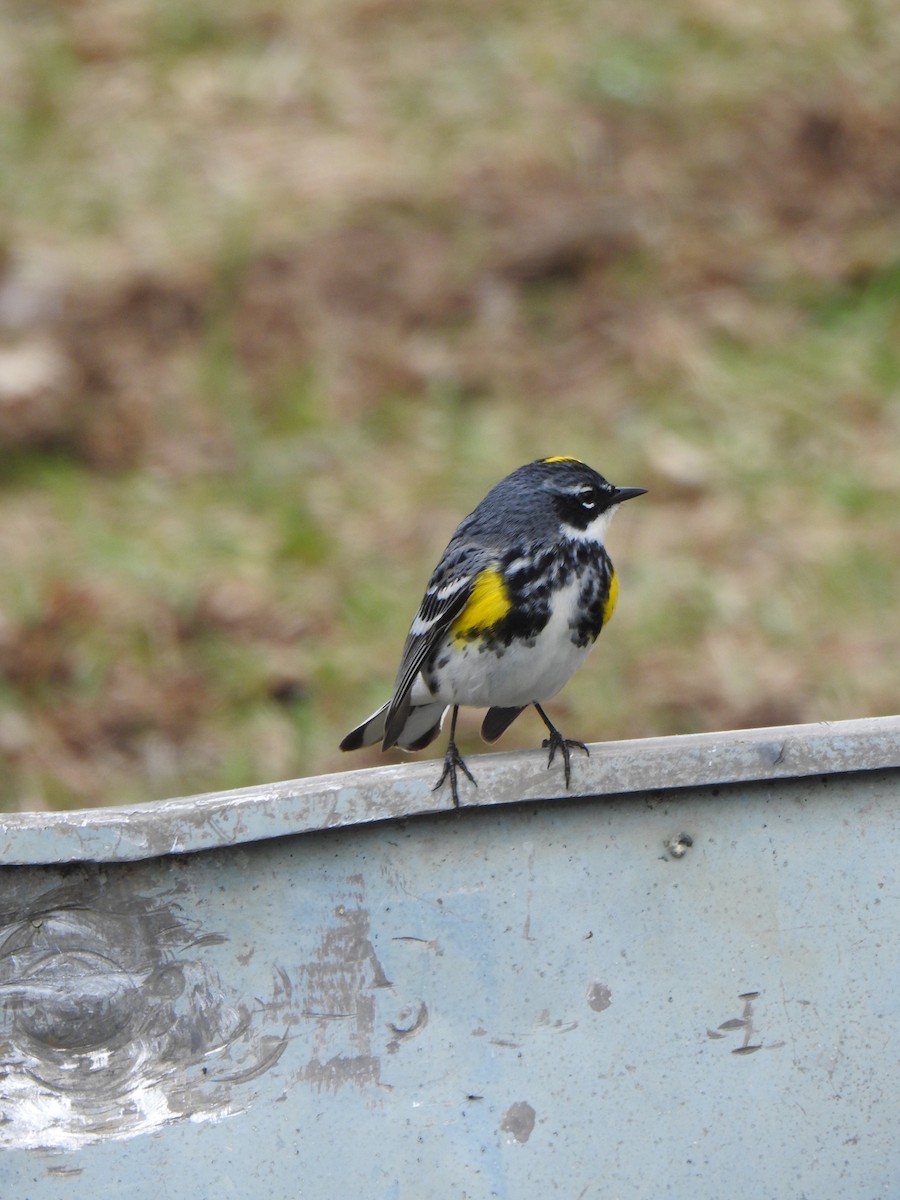
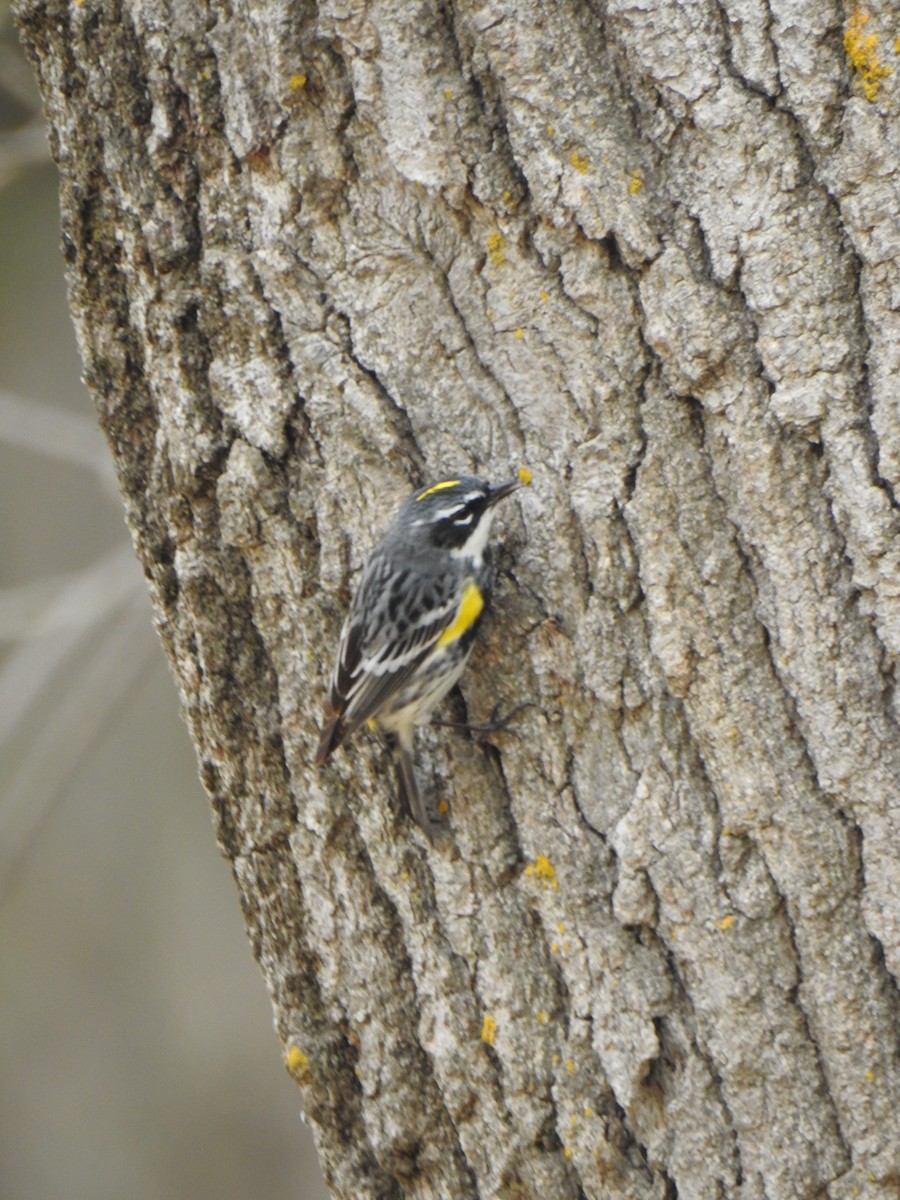
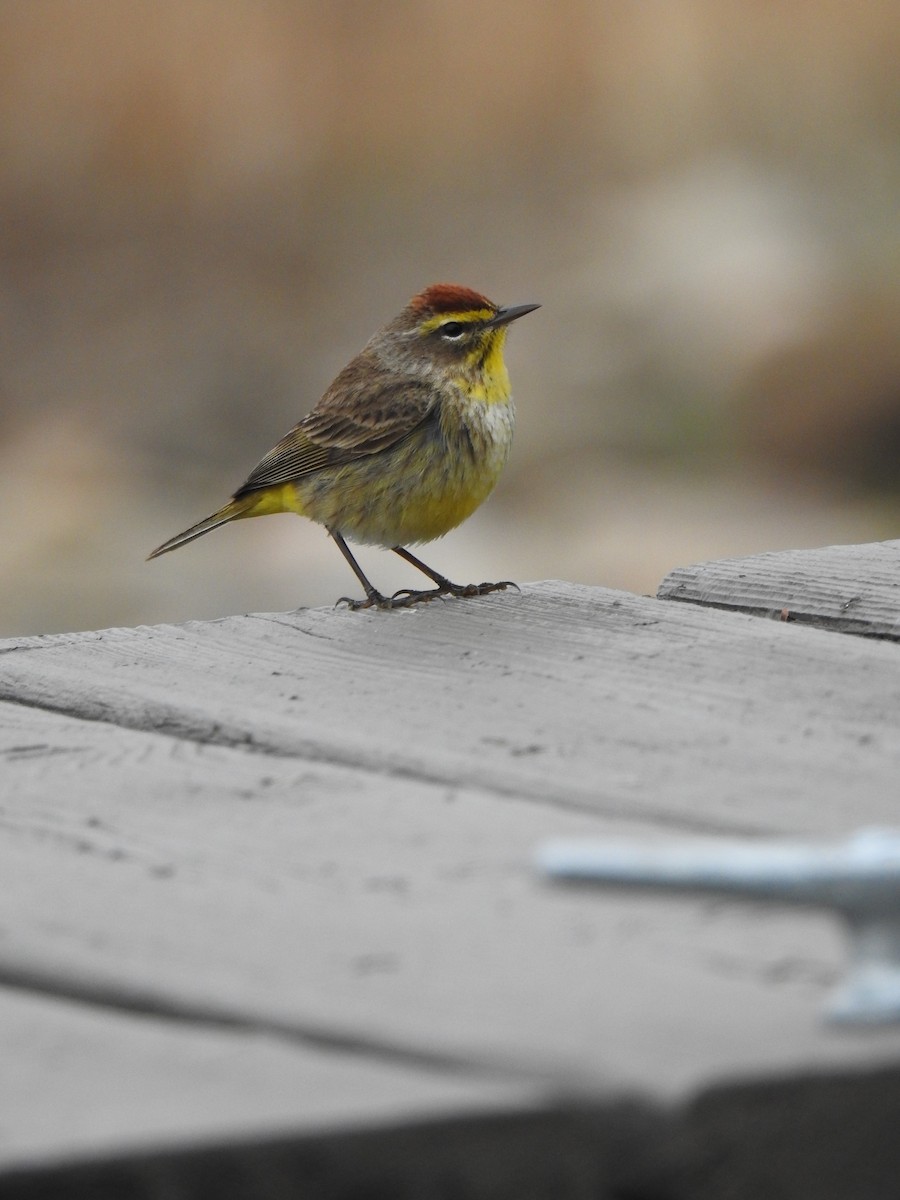
This weekend all that changed. I took a half-day on Friday to spend more time patching up the pier. And what I found was the largest group of Yellow Rumped Warblers I have ever encountered. The Yellow Rumps were in the trees, on the deck, on the ground, on the pier, in the bushes, and in some row boats that we are trying to sell. Along with the Yellow Rumps, a number of Palm Warblers were out and about too.

It was a good reminder of a few things:

1. Many birds will never visit a bird feeder becasue they eat bugs.

2. Migratory birds try to time their arrival with food availability. If the gnats emerged earlier or later, the birds could go hungry.

3. Everything in nature has its place. Are bugs annoying? Sure. But they also just fed hundreds if not thousands of warblers on the lake.

Take a look at the pictures below, and maybe next year you'll decided to visit Puckaway around the first of May to see warbler migration in full swing.


Yellow Rump on a boat


Yellow Rump on a tree


Palm Warbler on the pier

Monday, April 25, 2022

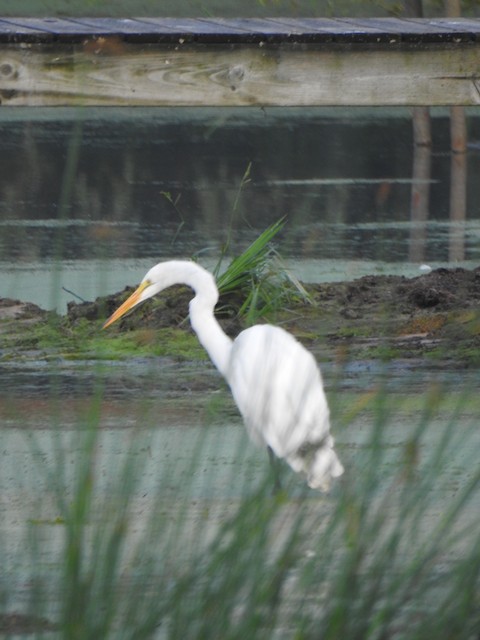
Great Egrets Are Back - April 2022

Puckaway is a great place for birding. Terns, eagles, herons, pelicans are all regular sights. Driving back to our cabin after a trek over to Horicon Marsh National Wildlife Refugee, I found myself disappointed that I didn't see any Great Egrets at Horicon (which was odd).

Taking WI-23 West towards Montello, I turned south down Highway C. The Fox River on my left. Not very far along, maybe just after crossing the Mecan River, stood two egrets.

From what I understand, there had at one point been an egret rookery on the lake. And from what I understand it's been some time since egrets were found nesting on the lake. However it looked like in 2021, they may have been nesting in the trees near the Fox River just west of the lake. They were a common sight on the North Shore of the lake through the summer. Including turning up on or near our pier.

Picture from 2021 of an egret near our pier.

You never know what you are going to see around Puckaway, I often carry a camera even when just making a quick trip out on an errand, whether I am on the lake itself or driving. Word to the wise, keep your eyes open.

Tuesday, January 25, 2022

American White Pelicans - 2021

Starting in the spring as the lakes and marshes of Wisconsin thaw, American White Pelicans make their way north. Pelicans can be found at Horicon Marsh, at Lake Michigan near Manitowoc, and on Lake Puckaway. A large wetland pennisula nearly divides the lake in two. The peninsula is affectionately referred to as Bird Island.


American White Pelican swimming.

The pelicans patrol the lake. Often flying to the western end in the morning as well as leaving in V's and strings likely off to other lakes and wetlands in the area like the Grand River Marsh or Green Lake or perhaps destinations further away like Lake Butte des Morts. For those that stay on Puckaway, by late morning they fly back across from west to east. And by the evening the wondering strings of pelicans return. They are elegant fliers often taking just three wing beats between gliding.


Pelicans making their way back across the lake.

If you haven't seen pelicans before, they are quite the sight. Their bright white wings  and body with bold black wing edges. Their gigantic 7 foot wingspan and large bills make them seem like they should be awkward, but they soar elegantly both high above the trees as well as mere inches above the lake.


Of course, they can't be elegant all of the time. Pelican takes on large fish.